Future of giving
Published on 4 August, 2026
Originally published in the Waikato Business News, Tuesday 4 August 2026.
By Janice Lapwood, General Manager Endowments, Momentum Waikato.
During my eight years at Momentum Waikato Community Foundation, I have had the privilege of working with hundreds of generous people.
Every donor I’ve met has a different story, but they have one thing in common – all of them want their giving to make a difference in their communities.
Which is why I believe the Government's upcoming changes to tax rules for donations need wider discussion.

Janice Lapwood
Many charities and donors may not be aware that from 1 April 2027 there will be a $100,000 annual cap on the donations eligible for a tax credit.
Currently there is no limit on the total value of donations over a year that get the 33.33% tax credit.
Whereas from April, only the first $100,000 of a donor’s gifts each year will qualify, limiting their maximum annual tax credit to $33,333.
The Government says this reform will improve fairness, reduce tax avoidance, and sustain the tax system.
My concern is its chilling effect on the philanthropy that charities and communities depend upon.
For most New Zealanders, the proposal will have little impact because their annual donations fall well below that threshold. The story is very different for major philanthropic gifts.
Someone donating $1 million now would receive a tax credit of $333,333 that year, which many then add to their initial donation. Under the new setting, that falls to $33,333.
This will not necessarily cap such generosity. Many donors are motivated by purpose, not tax benefits. However, tax policy does influence behaviour, including whether people start donating in the first place.
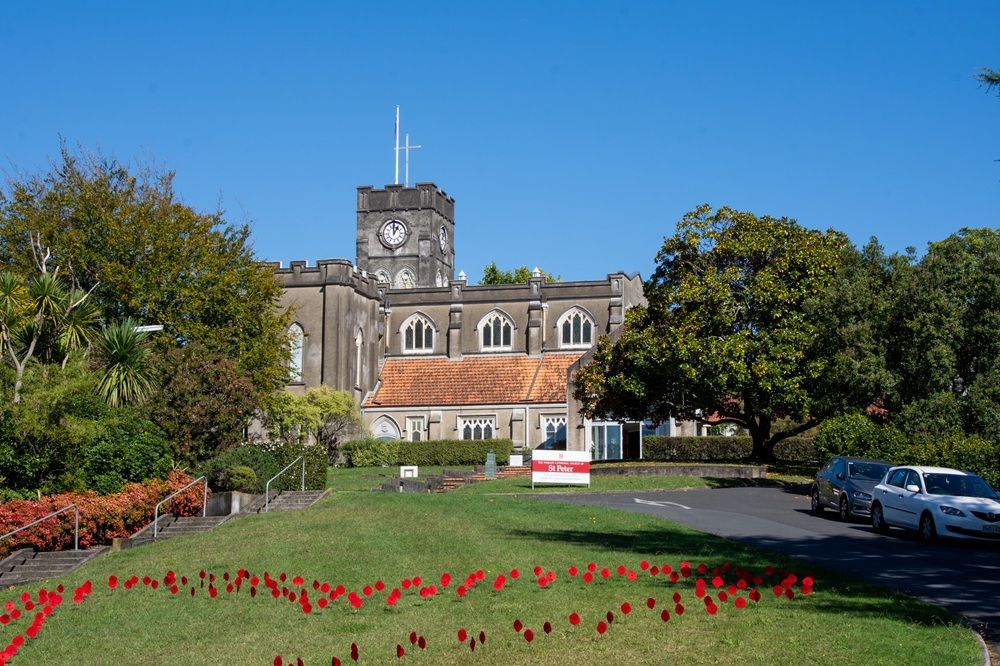
Fundraising is underway for St Peter’s Cathedral.

The Medieval Garden at Hamilton Gardens, which relied on big donations.
Some may now spread their transformational gifts over several years to maximise the available tax credit. Others may reduce the scale of their donations altogether. Either outcome could scuttle or slow funding for important community services and projects.
Large gifts often make the difference between projects proceeding or remaining on the drawing board. They help charities expand support, respond to emergencies, or invest in long-term solutions. Delayed donations may create cashflow pressures for community organisations.
There is a rich irony in this move.
The Government increasingly encourages philanthropy, business and communities to work together to address social challenges, yet this change weakens a key decades-old incentive for major donations and may limit growth in such giving just when it is needed most.
For organisations who fundraise, now is the time to prepare. Capital campaigns and charities reliant on significant donations should review their fundraising strategies, revisit cashflow assumptions and begin conversations with major donors about how this change could influence their future giving.
New Zealand has a proud tradition of generosity, and community foundations play a key role in fostering this. The tax system should be designed to encourage a partnership between government and private citizens, to build communities together.
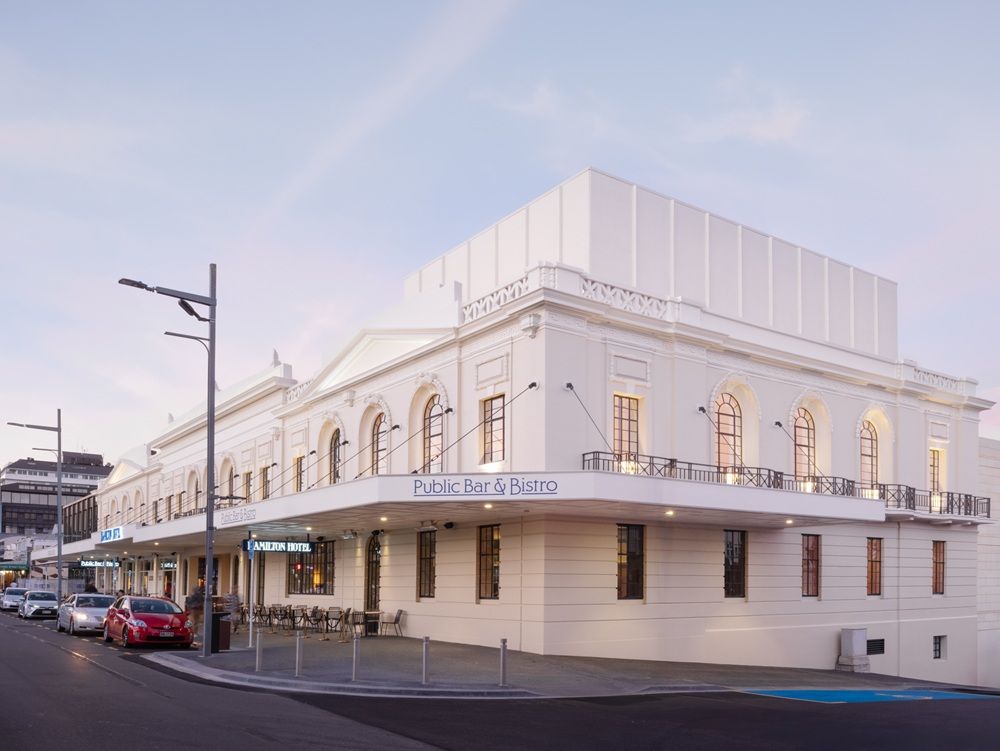
Waikato Regional Theatre is an example of a big project which relied on donations.